Scrum is a process model that originally comes from software development. As most development projects are extremely complex and difficult to plan and implement in full, the entire project is broken down into clear, small tasks. These increase the transparency and adaptability of the project and make it easier to implement.
Scrum cooking - the second
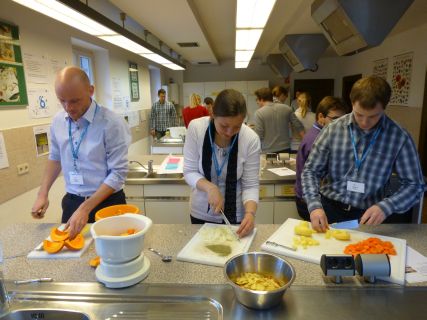
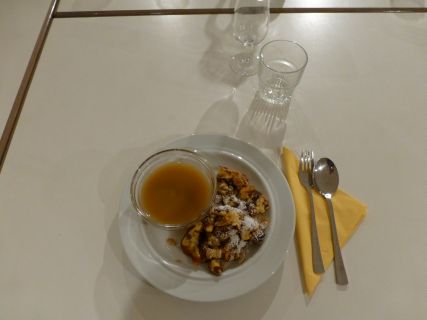
The term Scrum has not only been well known in the IT world for some time, but has also established itself as a general term. This is precisely why Scrum Cooking is an ideal way for non-developers to get to know and understand the concept. Enthusiasm and consistently positive feedback made the Scrum Cooking in Friedrichshafen this summer a great success. So of course it was clear that the cooking spoon had to be wielded a second time.
Experience meets greenhorns
Scrum newbies and experienced Scrummers met in Munich - the perfect ingredients for a successful Scrum Cooking. During the two workshops, the basic ideas of Scrum were taught first-hand. Easily transferable to the kitchen so that Scrum cooking can be understood even without prior IT knowledge. This made it possible to try things out and not just explain them. An invaluable asset for a concept that is both abstract and so efficient.
Not only suitable for software
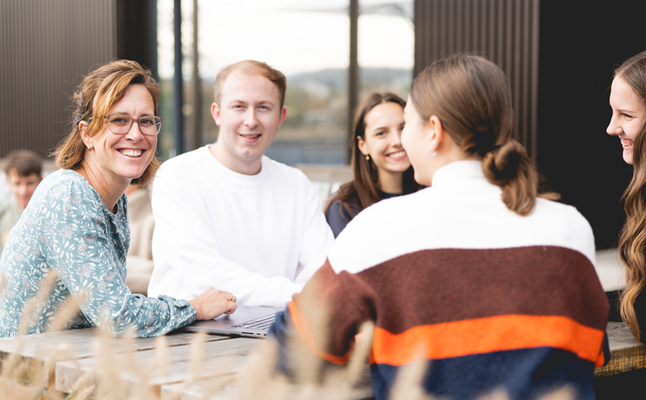
The aspects of Scrum can also be applied in other areas, for example in project management, agile marketing or editorial work. The daily 15-minute meeting (daily for short) in the scrum team facilitates communication and thus ensures a clearer process in the collaboration. The retro as a review and feedback meeting as well as the division of various task packages into small bites, which are displayed on the scrum board, also offline, on a daily basis , also facilitate the overview and simplify the presentation of the current project status.
 +49 7541 70078-708
